
Memorial Ideas & Suggestions

Create A Farewell That's Personal To Them
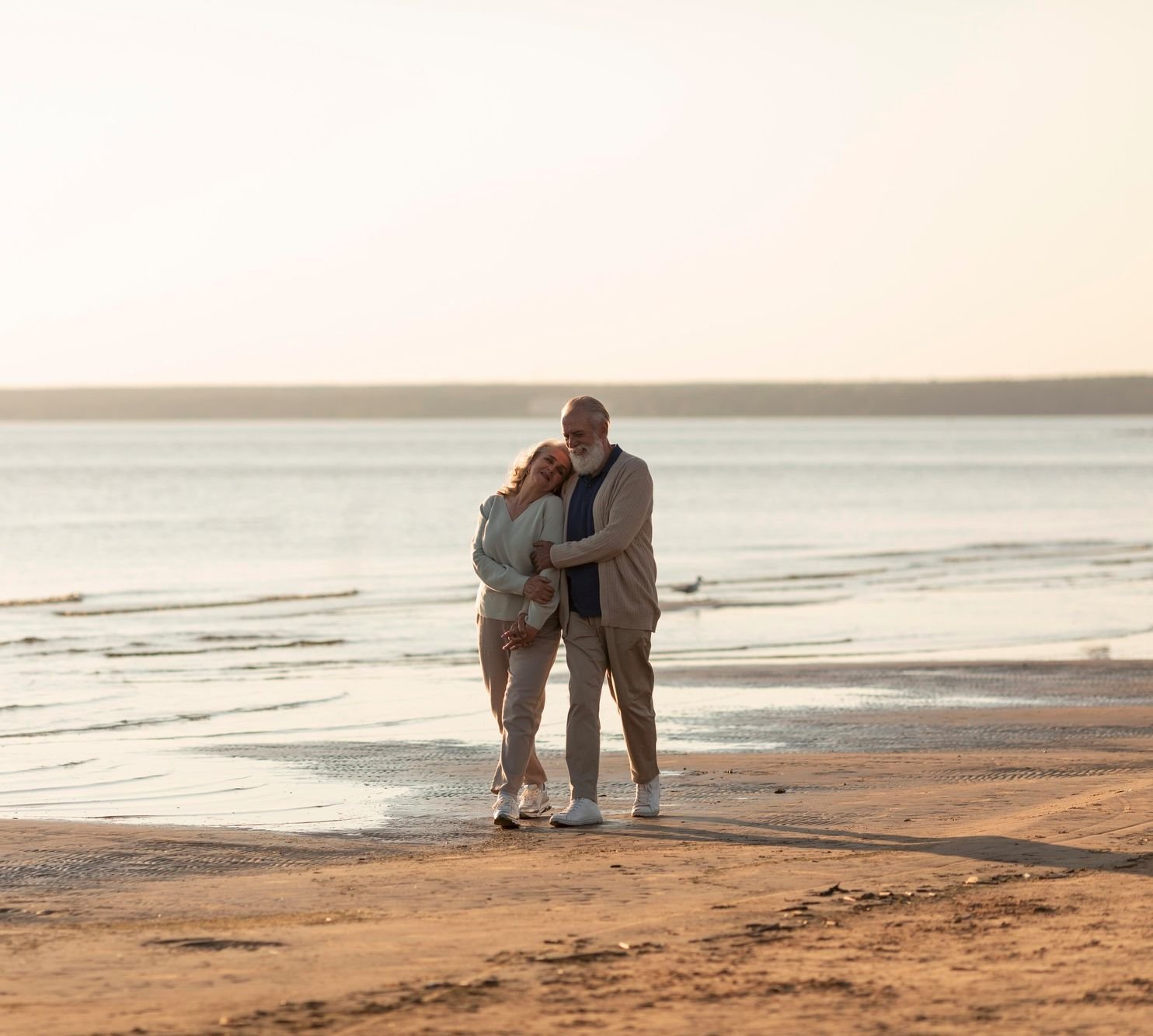
A funeral service at a crematorium isn't the only way to say goodbye.

One of the freedoms of choosing direct cremation is that the cremation and the memorial don't have to happen at the same time.
You can take your time.
You can wait until family and friends are able to be together.
And you can choose a place, date and style of memorial that genuinely reflects the person you're remembering.
There are no rules about what a memorial has to look like.
Here are some ideas to help you create something personal.
The Place Can Be Part Of The Memory
Choose Somewhere That Meant Something
Think about the places that mattered to the person you're remembering.
Perhaps they loved being beside the sea.
Maybe they had a favourite beach, garden, walking route or beauty spot.
Perhaps there was somewhere the family always visited together.
A memorial doesn't necessarily need a formal venue.
Sometimes gathering somewhere filled with shared memories can feel far more personal.
Memorial Places Around Plymouth, South Devon & South East Cornwall
We are fortunate to live in a beautiful part of the country, with the coast, countryside, moorland and rivers all within relatively easy reach.
For somebody with strong local connections, you might consider a memorial gathering or, where permitted, scattering ashes somewhere that held special meaning.
Ideas around Plymouth and the surrounding area might include:
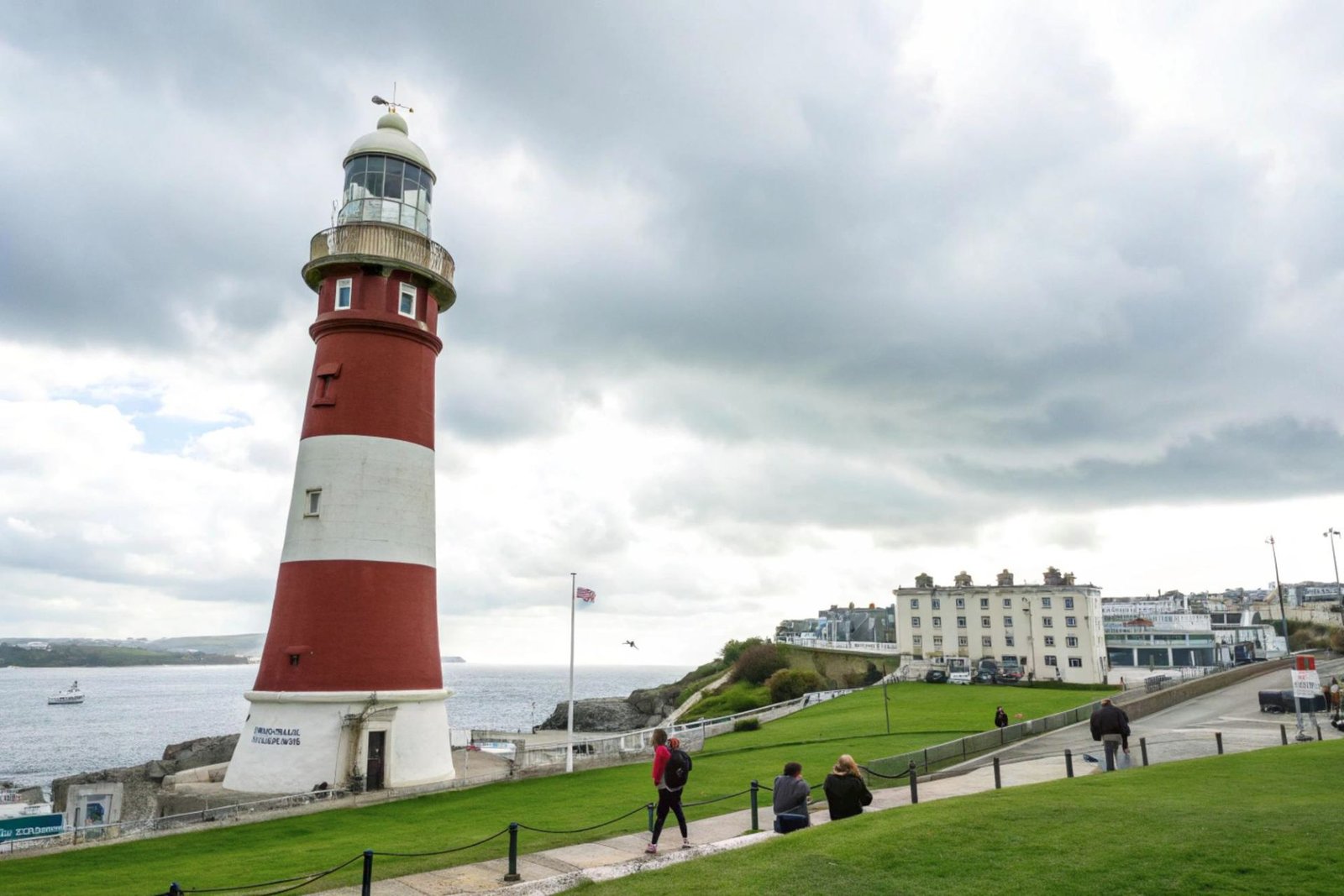
Plymouth Hoe & Plymouth Sound
For someone who loved Plymouth, the waterfront and views across Plymouth Sound can provide a particularly meaningful backdrop for a family gathering.
The Hoe has large open spaces and panoramic views across Plymouth Sound, but it is also a historic park, wildlife site and public space. If you are considering scattering ashes or holding an organised memorial gathering there, check with Plymouth City Council first about any permissions or restrictions that may apply.
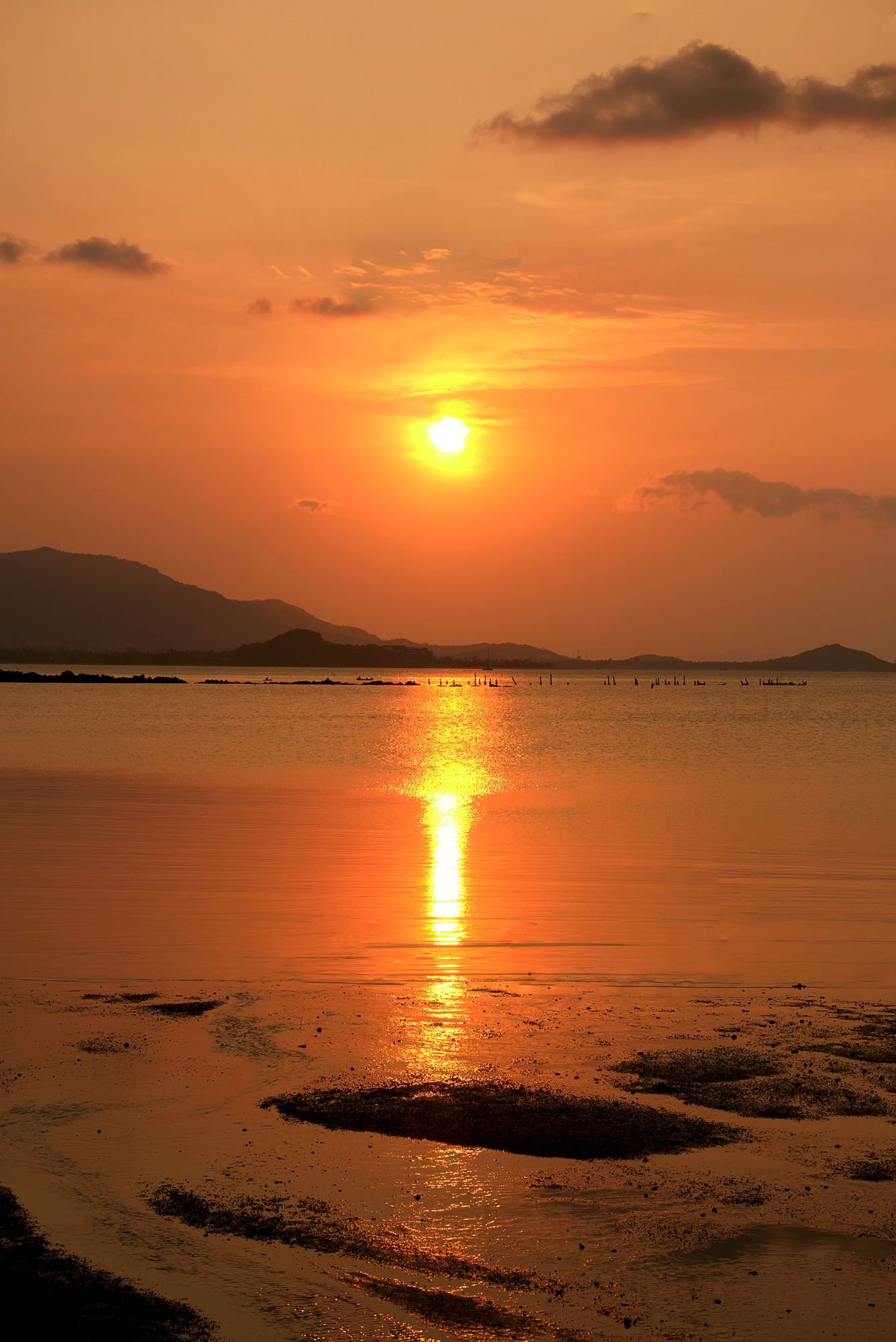
A Favourite Plymouth Park Or Green Space
A familiar local park can sometimes mean more than a famous landmark.
Places such as Central Park, Devonport Park, Freedom Fields, West Hoe or another local green space may have memories attached to walks, family life or simply everyday routines.
For council-owned parks and public spaces, contact Plymouth City Council before arranging a formal gathering or scattering ashes so you can check what is permitted at that particular location.
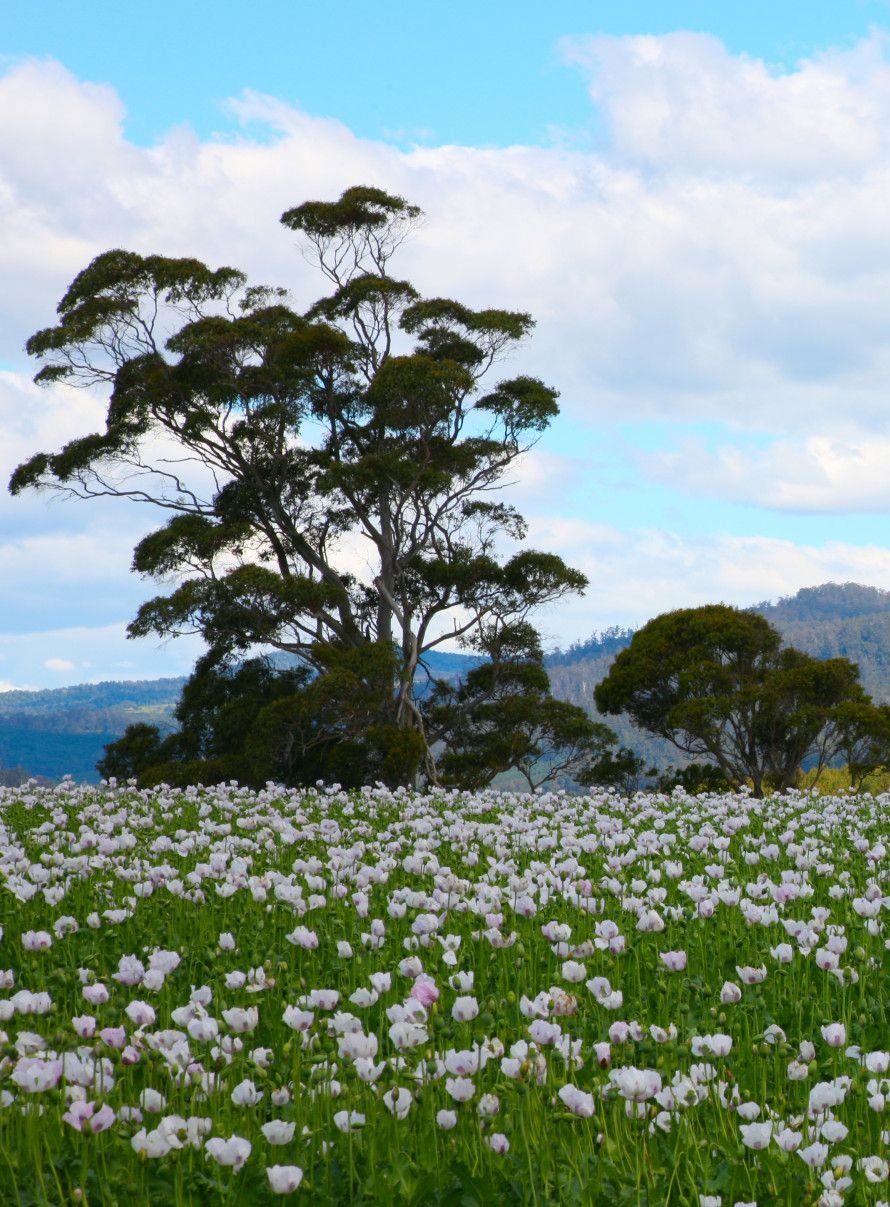
Dartmoor
For someone who loved walking, wildlife or the open countryside, Dartmoor may feel particularly appropriate.
Dartmoor National Park asks families to be discreet, avoid busy popular locations and watercourses, and not leave flowers or permanent memorials. Where the chosen location is off the common, permission should be obtained from the landowner.
Because Dartmoor contains common land, privately owned land, environmentally sensitive areas and military training areas, always check the particular location before making plans.
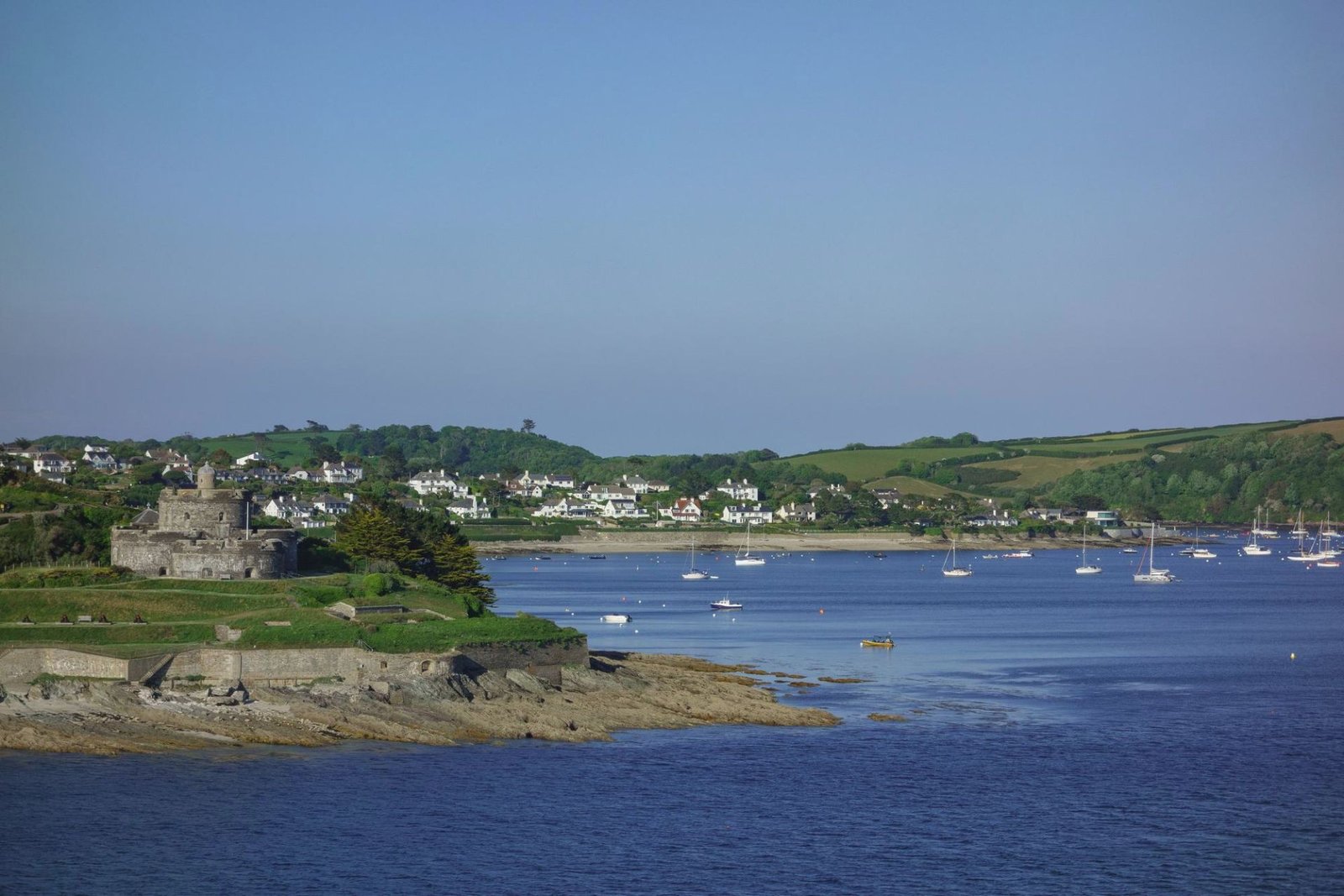
The South Devon Coast
Wembury, Newton Ferrers, Noss Mayo, the Yealm estuary and the surrounding South Devon coastline may hold strong memories for local families.
Coastal land can have different owners and managers, including local authorities, private landowners and conservation organisations.
Check who owns or manages the exact place you have in mind and ask permission where required before scattering ashes or arranging a larger gathering.

South East Cornwall
For families with connections across the Tamar, places around Torpoint, Kingsand, Cawsand, Millbrook and the Rame Peninsula may provide beautiful settings for remembrance.
Again, don't assume that public access means there is automatically permission to scatter ashes.
Check the landowner or organisation responsible for the location first.
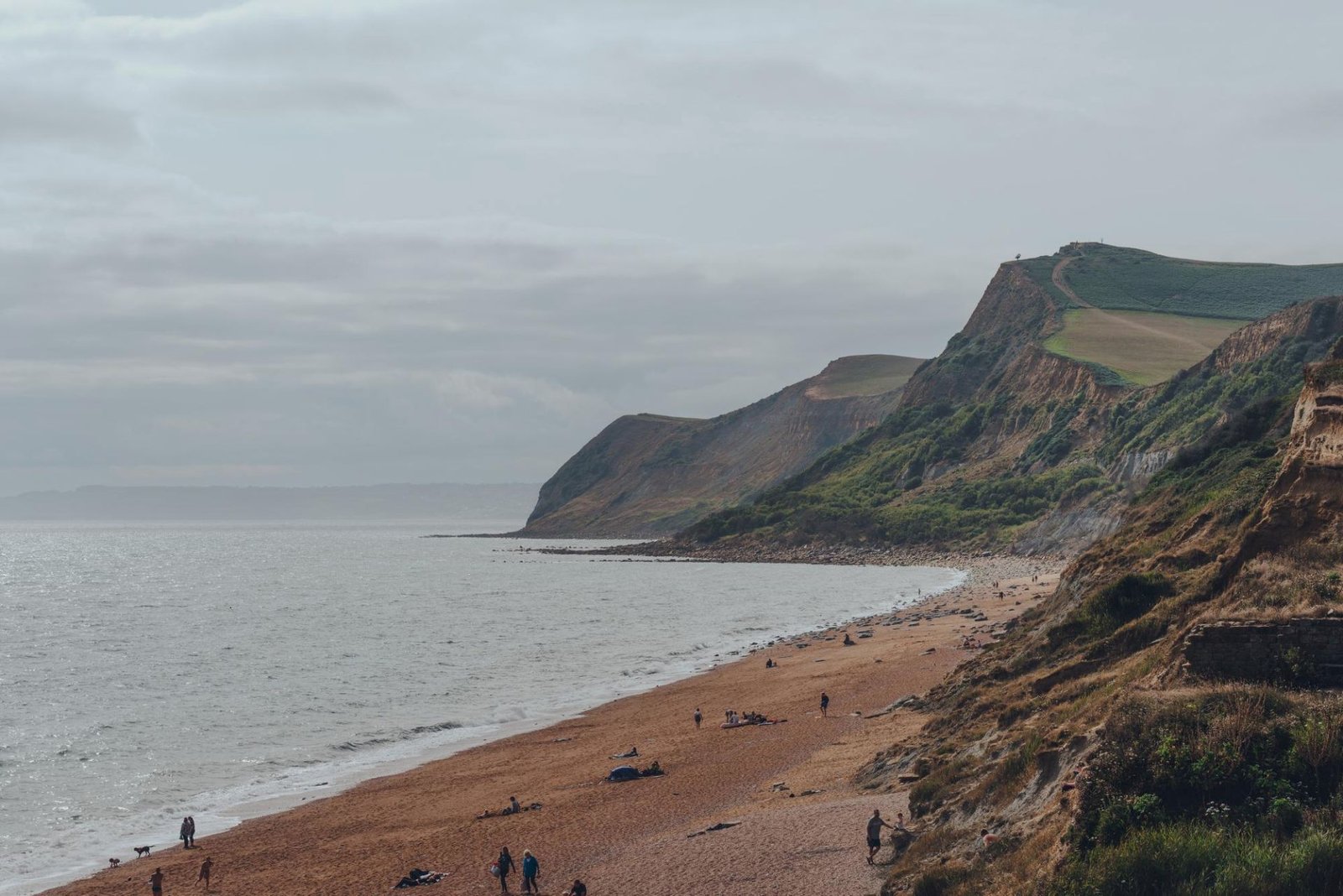
A Favourite Beach
Perhaps there is one particular beach connected with family holidays, dog walks, swimming or childhood memories.
A quiet visit to a favourite beach can be a wonderfully simple memorial.
If you wish to scatter ashes there, check who owns or manages the beach and whether permission or particular conditions apply.
A Beautiful Place May Still Have An Owner
Always Check Before Scattering Ashes
It is important to remember that being able to visit somewhere does not automatically give permission to scatter ashes there.
Beaches, parks, woodland, moorland, beauty spots, historic estates and coastal areas can be owned or managed by local councils, private landowners, the National Trust, conservation organisations or other bodies.
Rules can differ considerably between locations and can change, so it is always better to check directly with the organisation or landowner responsible for the exact place you have chosen.
If a location is managed by the National Trust or another conservation organisation, contact the individual property before making arrangements. Permission and environmental considerations can differ from one property to another.
Before scattering ashes:
A Memorial By The Sea
For somebody who loved the sea, a simple gathering overlooking the water can create a beautiful and natural setting for remembrance.
Family and friends might share memories, read something meaningful, listen to a favourite piece of music or simply spend some quiet time together.
You don't necessarily need to scatter ashes for the location to become part of the memorial.
Sometimes simply gathering together somewhere overlooking the sea is enough.
If you do plan to scatter ashes, check the ownership and rules for the particular location first and consider other people, wildlife, tides, wind direction and the local environment.
Hold A Celebration Of Life
The important thing is that it feels like them.
A celebration of life can be as formal or informal as you want.
You might hire a favourite pub, restaurant, community hall or other venue and invite family and friends to come together.
Rather than following a traditional funeral format, you could fill the room with photographs, play their favourite music, serve food they loved and encourage people to share stories.
Some families choose an afternoon gathering.
Others arrange an evening celebration.
It could even be a barbecue, afternoon tea or a drink in their favourite pub.
Scatter Their Ashes Somewhere Meaningful
There is no need to decide immediately what to do with your loved one's ashes.
Take your time.
When you're ready, you might choose somewhere that held particular meaning for them or your family.
That could be:
A favourite coastal locationA gardenCountryside they lovedA family placeSomewhere connected with a hobbyA holiday destinationA place where important memories were made
If the land isn't yours, establish who owns or manages it and check whether permission is required before scattering.
A Memorial That Continues To Grow
Plant Something In Their Memory
Planting a tree, rose, shrub or favourite flower can create a living memorial.
It could be planted in your own garden or another appropriate place where permission has been obtained.
Some families choose a plant that flowers around a birthday or anniversary.
Others choose something simply because the person loved it.
Watching it grow and change through the seasons can become a quiet and lasting reminder.
Create A Memory Garden
If you have space, you could create a small area of a garden specifically for remembrance.
It doesn't need to be elaborate.
A favourite plant, a bench, some flowers, a memorial stone or even a quiet chair can create somewhere to sit and remember.
You could involve children or grandchildren in choosing plants or decorating the space.
If you want to create a permanent memorial somewhere you don't own, always obtain the landowner's permission first.
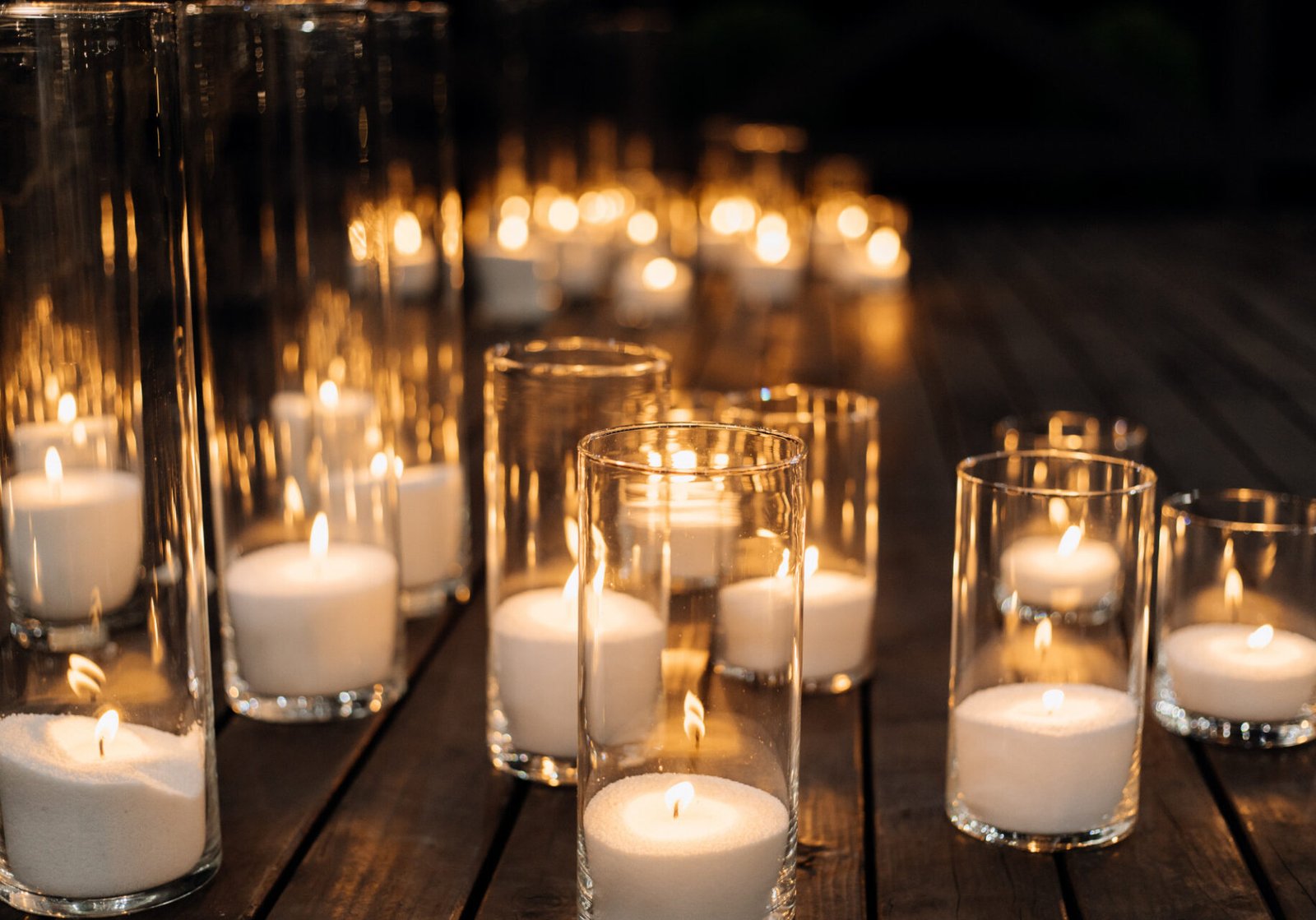
Create A Memory Table
A memory table can work beautifully at a celebration of life or family gathering.
Bring together things that immediately remind people of the person who has died.
You could include:
Favourite photographsLetters and cardsMedalsSporting memorabiliaItems connected with hobbiesFavourite booksRecords or CDsTravel souvenirsSomething connected with their workTheir favourite flowersA candlePersonal keepsakes
It often becomes a natural place for people to gather, talk and share memories.
Make A Memory Book
Ask family members and friends to contribute a photograph, memory or short story.
These can be collected into a physical album or printed book.
You might discover stories about your loved one that you've never heard before.
A memory book can also become something valuable to children and future generations who may not have had the opportunity to know them well.
Create A Digital Memorial
Photographs and memories don't have to remain in a box.
You could create a digital collection of photographs, home videos, stories and music.
Family and friends living elsewhere can contribute their own memories and images.
Some families create a private online memorial, while others simply build a shared digital photo album that everyone can access.
Make A Memorial Video
A collection of photographs set to favourite music can become a very moving tribute.
It could be shown at a celebration of life or simply shared privately among family and friends.
Old photographs, holiday pictures, family videos and everyday moments often tell somebody's story better than formal photographs alone.
Create A Playlist
Music has an extraordinary ability to bring memories back.
Create a playlist of songs that remind you of the person who has died.
They might be songs they loved, music from important moments in their life or tracks that simply make the family think of them.
You could play the playlist at a memorial gathering, on their birthday or whenever you want to remember them.
Cook Their Favourite Food
Not every memorial needs to feel ceremonial.
Sometimes the simplest ideas are the most personal.
Invite family and friends together and cook the person's favourite meal.
Order from the takeaway they always chose.
Bake their favourite cake.
Open the bottle of wine they liked.
Then spend the evening telling stories.
For some families, that will feel much more like the person they're remembering than a formal service ever could.
Raise A Glass
You might choose to gather at their favourite pub, club or restaurant.
Reserve a table, invite the people who mattered to them and raise a glass in their memory.
Ask everyone to bring a story.
There will probably be tears.
Hopefully there will also be plenty of laughter.
Both are part of remembering somebody.
Remember Their Hobbies & Passions
Think about what made them happiest.
Their memorial could reflect something they genuinely loved.
For example:
Arrange a round of golf
Meet for a favourite walk
Go fishing
Attend a football or rugby match
Visit a favourite garden
Have a family day at the seaside
Hold a quiz night
Arrange an afternoon of their favourite music
Meet at their favourite café
Organise a classic-car gathering
Spend time doing something they taught you to love
A memorial doesn't have to look like a funeral to have meaning.
Support A Cause They Cared About
Instead of flowers or traditional funeral expenses, family and friends might choose to make donations to a charity or organisation that mattered to the person who died.
You could also organise a fundraising event in their memory.
It might be a sponsored walk, coffee morning, sporting event or simply a collection among family and friends.
Creating something positive in their name can be a powerful legacy.
Create An Annual Tradition
A memorial doesn't have to happen just once.
Some families create a small tradition that brings everybody together each year.
It could happen on their birthday rather than the anniversary of their death.
You might:
Meet for a family mealVisit their favourite placeWalk a favourite routeRaise a glassCook their favourite foodPlay their favourite musicVisit the coastLight a candleDonate to a favourite charity
Over time, the tradition itself can become part of the family's story.
01
Memorial Jewellery & Keepsakes
Some families choose to keep a small amount of ashes within a piece of memorial jewellery or another keepsake.
There are many different styles available, from discreet pendants and rings to glass artwork and other individually created pieces.
There's no need to make this decision quickly.
You can keep the ashes safely while you consider whether a permanent keepsake feels right for you.
02
Choose A Memorial Urn
Your loved one's ashes are returned in a simple container as part of our direct-cremation service.
You may decide that's all you need.
Alternatively, you can choose a decorative urn or another container that better reflects their personality or where the ashes will eventually be kept.
There are traditional designs as well as contemporary, biodegradable and personalised options.
03
Divide The Ashes Between Family Members
There is no requirement for ashes to remain together.
Some families choose to divide them so different family members can each keep a small amount or create their own memorial.
This can be particularly helpful when close relatives live in different parts of the country or overseas.
Take time to discuss this as a family before deciding what feels right.
04
Take Them Somewhere They Always Wanted To Go
Sometimes a person's final resting place can become one last journey.
You may decide to take their ashes somewhere they loved or somewhere they always wanted to visit.
For families who enjoy travelling, that journey itself can become part of the memorial.
If you're planning to take ashes abroad, check the requirements of the airline, transport provider and destination country before travelling.
Involve Children & Grandchildren
Children often remember people in wonderfully uncomplicated ways.
Depending on their age, you might invite them to:
There is no need for everything surrounding remembrance to be solemn.
Draw a pictureWrite a letterChoose a photographPlant a flowerDecorate a memory stoneMake a memory boxChoose a favourite storyShare something funny they remember
Create A Memory Box
A memory box can contain small things that tell the story of someone's life.
Photographs, handwritten notes, jewellery, tickets, postcards, recipes, letters and other personal objects can all be included.
Different family members can contribute something.
Years later, opening the box can bring back memories that might otherwise have been forgotten.
Light A Candle
Sometimes remembrance can be very simple.
Light a candle on their birthday, at Christmas, on an anniversary or whenever you find yourself thinking about them.
It doesn't need to be part of a formal ceremony.
A small personal ritual can be just as meaningful.
You Don't Have To Decide Straight Away
Following a death, families often feel surrounded by decisions.
One of the advantages of direct cremation is that the memorial doesn't need to be one of them.
There is no need to organise everything within a few days.
Wait until you're ready.
Wait until the people who matter can be there.
And give yourself time to think about what would genuinely reflect the person you're remembering.
It might be traditional.
It might be completely unconventional.
It might involve fifty people.
It might involve five.
There is no correct way to remember somebody.
The Cremation Can Be Simple. The Farewell Can Be Anything You Want It To Be.
At Plymouth Direct Cremations, we take care of the practical cremation arrangements with dignity and respect.
Afterwards, you have the freedom to create something personal.
Something meaningful.Something that feels like them.
Plymouth Direct Cremations
From Wedlake Funeral Home – Independent Family Funeral Directors Since 1921
Direct Cremation – £1,095 All-Inclusive
Call: 01752 936876
Email: plymouthdirectcremations@gmail.com